 We all know that the number of older adults (aged over 60y) is due to increase as life expectancies increase. It is estimated that the number of adults aged 60y and over is set to rise from 11% to 22% between the years 2000 to 2050.
[Macnee W, Rabinovich RA & Choudhury G. Ageing and the border between health and disease. Eur Resp Journal 2014;44:1332-1352.]
The search for the pill, diet, or lifestyle that will prevent the progression of aging or the development of age-related disorders is ever more present and people are increasingly looking at their diet or nutrients to provide that answer.
I recently listened to the Mel Robbins podcast with Dr Lucia Aronica, an epigenetic scientist from Stanford, on how to eat better to improve your health and what caught my attention as a dermatologist was the term ‘boosting your internal SpF.’ What they were talking about was lycopene.
What is lycopene?
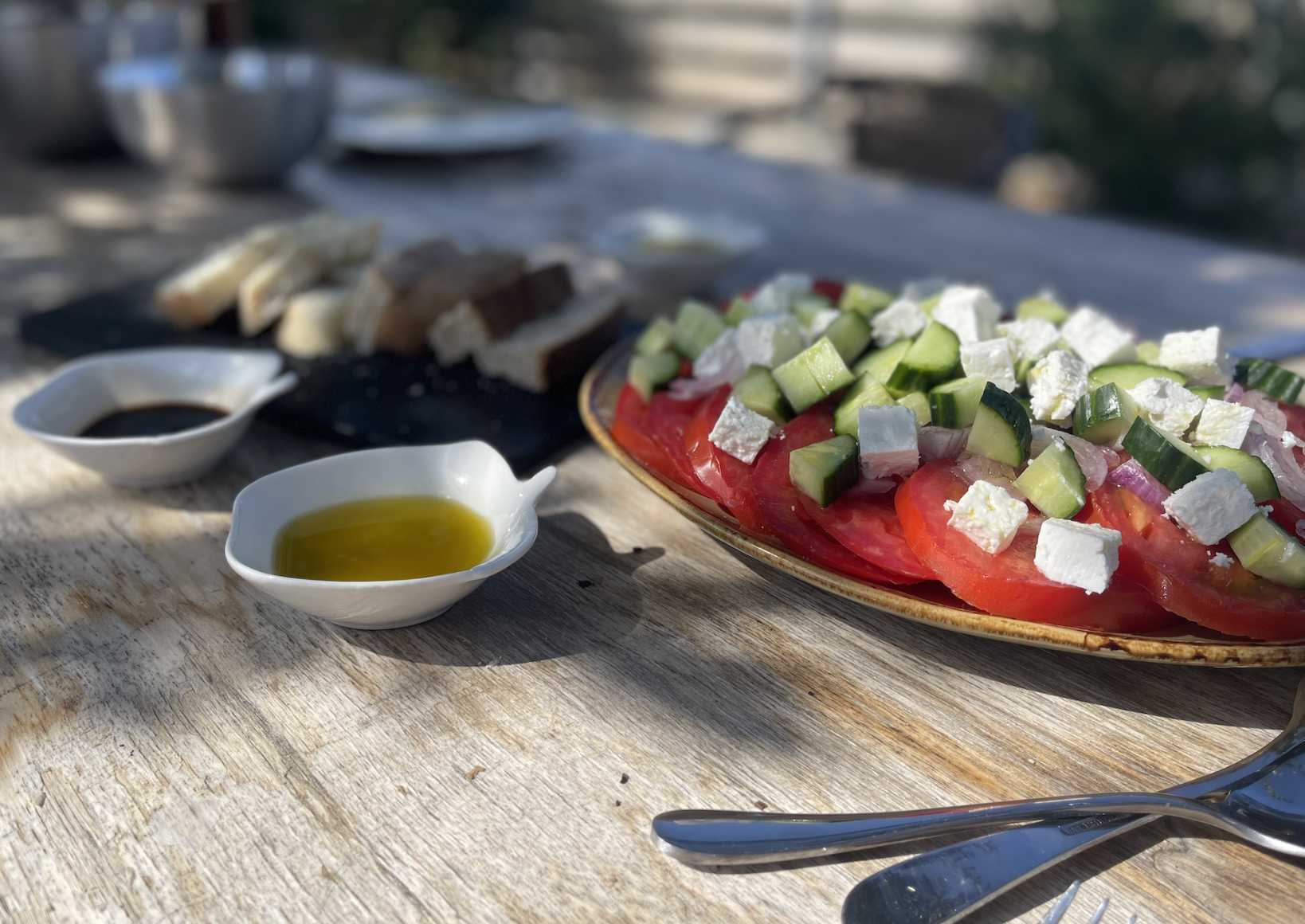
Lycopene is a carotenoid. Carotenoids are primarily found in red- and orange-coloured fruits and vegetables but can also be found in some green-coloured fruits and vegetables such as asparagus and parsley. Lycopene is abundant in tomatoes and other tomato products.
The thing that sets lycopene apart from the other carotenoids is its potent anti-oxidant abilities. It can inhibit generation of reactive oxygen species (ROS) two times more effectively than beta-carotene and ten times more than alpha-tocopherol.
It is a non-provitamin-A carotenoid and does not assist in vitamin-A metabolism. Under high temperatures, lycopene changes from a trans-state to a cis-state which renders it more stable, more soluble in oil, and more biologically available in humans and it is this cis-state which manifests huge health benefits in the human body.
[Hasan Abir M, Sofi Uddin Mahamud AGM, Haque Tonny S et al. Pharmacological potentials of lycopene against aging and aging-related disorders: A review. Food Sci & Nutr 2023;11:5701-5735.]
How does lycopene work?
It’s antioxidant capacities prevent oxidative stress, and the scavenging of ROS protects against oxidative damage to DNA. It may also play a role in DNA methylation and has shown some promise as an anticancer agent for certain cancers.
It exerts an anti-inflammatory property by inhibiting proinflammatory cytokine release, could improve cardiovascular disease risk, help in neurodegenerative disorders such as Alzheimer’s and Parkinson’s, obesity and diabetes.
It can also help prevent photoaging.
Beta-carotene has been shown to prevent skin against UV-induced skin redness.
[Stahl W, Heinrich U, Jungmann H et al. Carotenoids and carotenoids plus vitamin E protect against ultraviolet light-induced erythema in humans. Am J Clin Nutr 2000;71:795-798.]
This was also shown with lycopene. A small study looked at 22 healthy adults (8 men and 14 women) who were given tomato paste with olive oil versus the control group that were just given olive oil. After 10 weeks, the tomato paste group had 40% protection against UV-induced erythema.
[Stahl W, Heinrich U, Wiseman et al. Dietary tomato paste protects against ultraviolet light-induced erythema in humans. 2001 J Nutr;131:1449-1451.]
Another study looking at 20 white women aged 21-47y given 55g tomato paste with 10g olive oil on white bread daily for 12 weeks found similar results. They found reductions in UV induced matrix metalloprotein 1 (MMP-1) and a small increase in procollagen 1 deposition in the skin.
[Rizwan M, Rodriguez-Blanco A, Harbottle MA et al. Tomato paste rich in lycopene protects against cutaneous photodamage in humans in vivo: a randomized controlled trial. Br J Dermatol 2011;164:154-162.]
That’s amazing! How much should lycopene should I eat?
Lycopene is lipid or fat soluble. Also, its bioavailability increases after thermal processing as it disrupts cell membranes allowing lycopene to be released from the tissue matrix.
So processed tomato products such as ketchup, tomato juice and tomato sauces and pastes have a much higher lycopene content than fresh tomatoes. For example, ketchup contains between 9.9-13.44 mg lycopene/100g whereas fresh tomatoes contain between 0.88-7.74 lycopene/100g wet weight.
Not surprisingly, lycopene intake varies greatly by country. The average Italian consumes 14.3mg/day of total carotenoids whereas in the UK it is 1.1mg/day and in the US anything from 5.7 to 10.5mg/day.
Also what you eat with it matters too. Consuming it with fats such as olive oil or avocado increases its bioavailability hugely.
How much to eat is trickier to address. Studies have shown benefits with 40g tomato paste with 10ml olive oil, 55g tomato paste with 10g olive oil, a soft gel encapsulated tomato extract and a tomato drink. But basically, 4 tablespoons of tomato paste with a dessert spoon of olive oil daily should do it.
[Story EN, Kopec RE, Schwartz SJ et al. An update on the health effects of tomato lycopene. Annu Rev Food Sci Technol 2010;1: doi:10.1146/annurev.food.102308.124120.]
Can you have too much lycopene?
Apparently, lycopene supplementation in pregnancy is not recommended. Excessive consumption of lycopene can cause something called lycopenemia, similar to carotenemia where the skin turns orange. Excessive consumption can also cause gastrointestinal issues such as diarrhoea, nausea, stomach cramps and flatulence.
[Hasan Abir M, Sofi Uddin Mahamud AGM, Haque Tonny S et al. Pharmacological potentials of lycopene against aging and aging-related disorders: A review. Food Sci & Nutr 2023;11:5701-5735.]
Already as a working mum, I make a fair share of bologneses, lasagnas, chilli con carnes, moussakas and aubergine parmigianas to get me through the working week. So if you do too, you’re probably having a good portion of lycopenes in your diet anyway!
Kind regards,
Sandy
Dr Sandy Flann, Consultant Dermatologist.