
Is there a cure for psoriasis?
Psoriasis Explained
What is psoriasis?
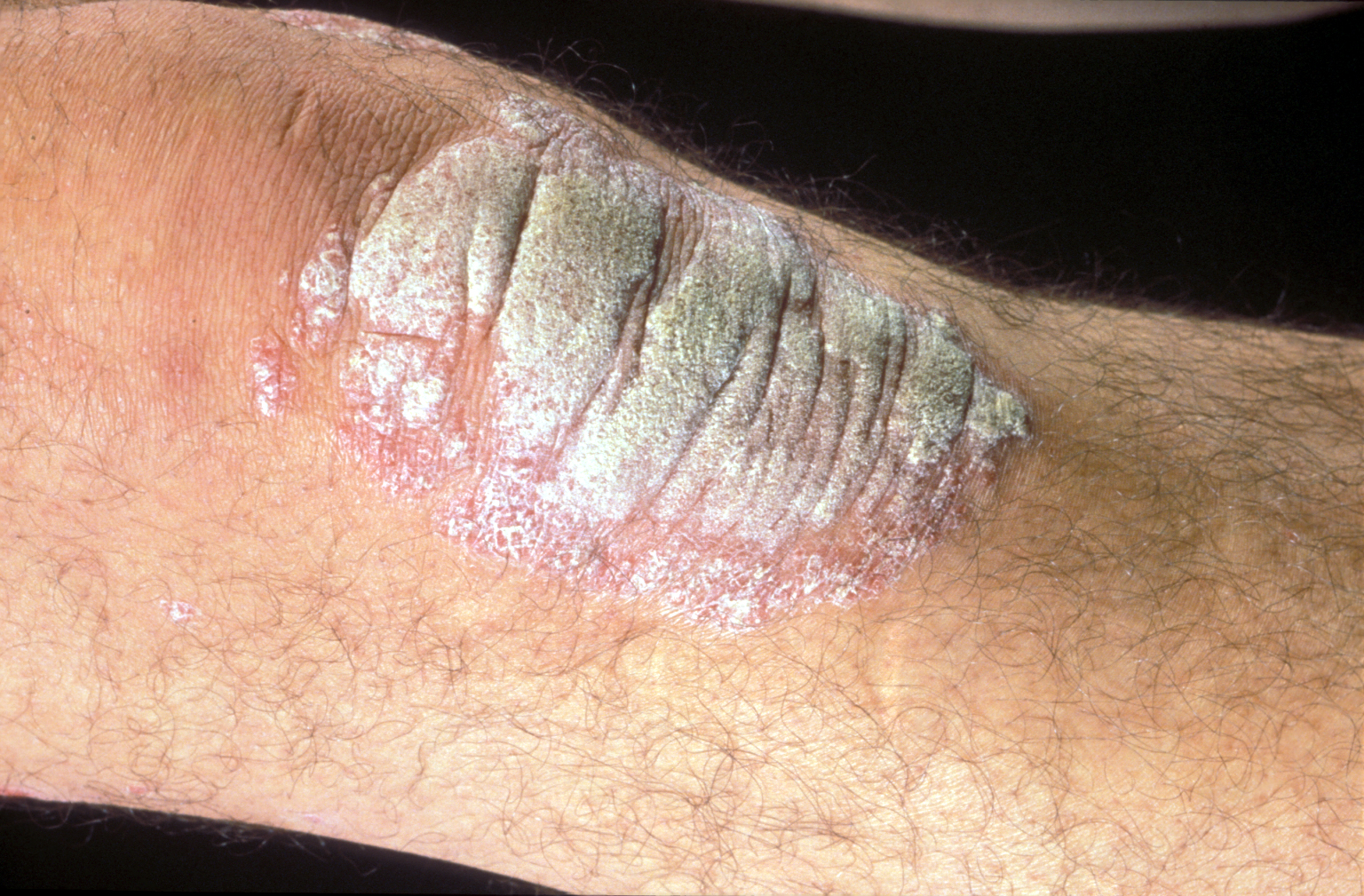
Psoriasis is a long-term inflammatory skin condition that most commonly causes red, scaly plaques on the skin. It commonly affects the scalp, elbows and knees, but can appear anywhere on the body. In some people it also affects the nails and joints.
Although psoriasis is a lifelong condition, it can be well controlled with appropriate treatment and ongoing care from your dermatologist.
Who gets psoriasis?
Psoriasis can develop at any age and affects people of all skin tones. It often starts in early adulthood or middle age and affects men and women equally.
There is often a family tendency, and certain health or lifestyle factors may increase the likelihood of flare-ups. Around one in three people with psoriasis will also develop inflammation of the joints, known as psoriatic arthritis. Anyone with psoriasis who experiences joint pain, stiffness or swelling should mention this to their dermatologist.
What causes psoriasis?
The exact cause of psoriasis is not fully understood. It occurs when the immune system triggers the skin to produce new cells more quickly than normal. This leads to a build-up of thickened, inflamed skin with visible scaling.
Psoriasis is not contagious and cannot be passed from one person to another.
What can trigger psoriasis?
Many people notice certain triggers that make their psoriasis worse. These can include:
Throat infections, particularly streptococcal infections
Skin injury that causes new plaques to appear (known as the Koebner phenomenon)
Periods of stress or illness
Alcohol or smoking
Certain medicines such as lithium or some beta-blockers
Your dermatologist will help you identify and manage any personal triggers that may play a role.
What does psoriasis look like?
The most common form is chronic plaque psoriasis, which appears as well-defined red patches with silvery-white scale.
Other recognised types include:
Guttate psoriasis
small, drop-shaped spots that often appear after a sore throat
Flexural (inverse) psoriasis
smooth red patches in skin folds such as under the breasts, in the groin or around the buttocks
Pustular psoriasis
areas of red skin with small, pus-filled bumps
Erythrodermic psoriasis
widespread redness of the skin, which is rare but requires urgent medical attention
Scalp and nail psoriasis are also common and can be particularly persistent. Because psoriasis can vary greatly in appearance, diagnosis and management should always be guided by a consultant dermatologist.
How is psoriasis treated?
Treatment depends on the severity of the condition, the areas affected and whether the nails or joints are involved. The aim is to control inflammation, reduce flare-ups, improve quality of life and more importantly, holistic management of the whole patient.
Skincare and self-management
Use emollients regularly to reduce dryness and scaling.
Identify and avoid personal triggers where possible.
Report any new joint pain or stiffness to your dermatologist.
Topical treatments (creams, gels and ointments)
Common first-line options include topical corticosteroids and vitamin D analogues such as calcipotriol.
Combination preparations may be prescribed for convenience and better results.
Scalp treatments can include medicated shampoos, steroid lotions or gels.
Phototherapy
Narrowband UVB phototherapy
can be very effective for widespread or stubborn psoriasis. It involves controlled exposure to ultraviolet light two or three times per week for several weeks.
PUVA treatment
In some cases, PUVA treatment (a combination of UVA light with a light-sensitising tablet or bath) may be recommended in specialist centres.
Systemic and biologic treatments
For more severe psoriasis, or when topical and light therapies are insufficient, your dermatologist may suggest oral or injectable medicines such as:
Methotrexate, ciclosporin or acitretin,
which help to regulate the immune system.
Biologic therapies
which target specific parts of the immune response and are used under specialist supervision on the NHS.
Apremilast treatment
an oral targeted treatment suitable for certain patients.
Your dermatologist will discuss which option best suits your psoriasis, medical history and lifestyle.
Psoriatic arthritis
About one in three people with psoriasis may develop inflammation of the joints, known as psoriatic arthritis. Symptoms can include joint pain, stiffness and swelling, back pain or swelling of entire fingers or toes.
Early recognition and referral to a rheumatologist are important to prevent long-term joint damage.
Associated health considerations
People with moderate or severe psoriasis may have an increased risk of anxiety, depression, and certain cardiovascular conditions. Managing psoriasis well and maintaining a healthy lifestyle can reduce these risks.
Your dermatologist may discuss weight management, regular exercise, limiting alcohol and stopping smoking as part of your overall care.
Outlook and follow-up
Psoriasis is a chronic condition, but most people achieve good control with appropriate treatment and regular follow-up. Flares can still occur, and treatment plans may need to be adjusted over time.
If your psoriasis affects your nails or joints, or is difficult to manage, your dermatologist may coordinate care with other specialists to ensure the best possible outcome.