 There is a lot about the words ‘anti-ageing’ and ‘diet’ that I take umbrage with. Firstly, we are all ageing and there is literally nothing on this planet that will stop that from happening. However, the term is in constant use, driving a multibillion dollar global industry involving skincare, cosmetic procedures, foods and lifestyle practices that promote wrinkle reduction, skin plumpness, antipigmentation and lifespan longevity.
Also the term ‘diet’ should be taken not as a restricted pattern of food consumption but more as the medical term meaning habitual or regulated food consumption.
So I suppose the narrative is more about improving skin health and appearance rather than trying to prevent us getting older and whether the things we eat in our daily diets can help us achieve that.
Lifestyle factors we already know about
We already know that a consistently good night’s sleep can do wonders for our mental health, mental agility and our appearance, anything from 7-8 hours per night. We also know that stopping smoking also prevents skin ageing and reducing and stopping alcohol ingestion is also helpful.
From a skincare point of view, dermatologists agree that daily sun protection (avoiding peak sun hours, seeking shade, not deliberately exposing the skin to sun and the wearing of sunscreen of at least SpF30) does much to reduce or prevent premature photoageing.
Other factors such as regular resistance or weight training, walking daily, eating protein and now fibre are also more recently discussed in helping us to age better, mentally and physically, together with a positive mental attitude.
But is there anything we can do better in order to age better?
Well, it was interesting to read about products called Advanced Glycation End Products (AGEs) which accumulate as we get older.
What are AGEs?
These are produced internally through normal metabolism and can also be ingested through daily dietary intake. They are produced through a process called the Maillard reaction, which is a chemical reaction between sugars and proteins. The AGEs bind to cell surface receptors for AGEs and can potentially trigger oxidative stress and inflammation possibly leading to various diseases such as diabetes, cardiovascular and kidney disease, cognitive impairment and cancer, though the link is not definite.
[Tian Z, Chen S, Shi Y et al. Dietary advanced glycation end products (dAGEs): An insight between modern diet and health. Food Chem 2023:415:135735]
[Hellwig, M, Diel P, Eisenbrand G et al. Dietary glycation compounds – implications for human health. Crit Rev Toxicol 2024;54(8):485-617.]
Can I do anything about reducing the amount of AGEs in my body?
AGEs are created by normal cellular metabolism and accumulate naturally as we get older. However, we can ingest AGEs in our diet and we also accumulate AGEs in our skin. This latter process is amplified by ultraviolet radiation. So what dermatologists spout on about every single day about sun protection actually has evidence-based science behind it – funny that!
[Zheng W, Li H, Go Y et al. Research Advances on the Damage Mechanism of Skin Glycation and Related Inhibitors. Nutrients 2022;14(21)4588.]
How do I reduce the amount of AGEs in my diet?
AGEs form when food is cooked, especially under high temperature conditions such as grilling, frying and baking. Steaming and boiling tend to produce less AGEs aswell as cooking at lower temperatures for a shorter period of time. Heavily processed foods also contain very high numbers of AGEs. Animal-derived foods are generally AGE-rich and prone to new AGEs formation during cooking.
[Gill V, Kumar V, Singh K et al. Advanced Glycation End Products (AGEs) may be a striking link between modern diet and health. Biomolecules 2019;9(12):888.]
[Uribarri J, Woodruff S, Goodman S et al. Advanced glycation end products in food and a practical guide to their reduction in the diet. J Am Diet Assoc 2010;110(6):911-16.]
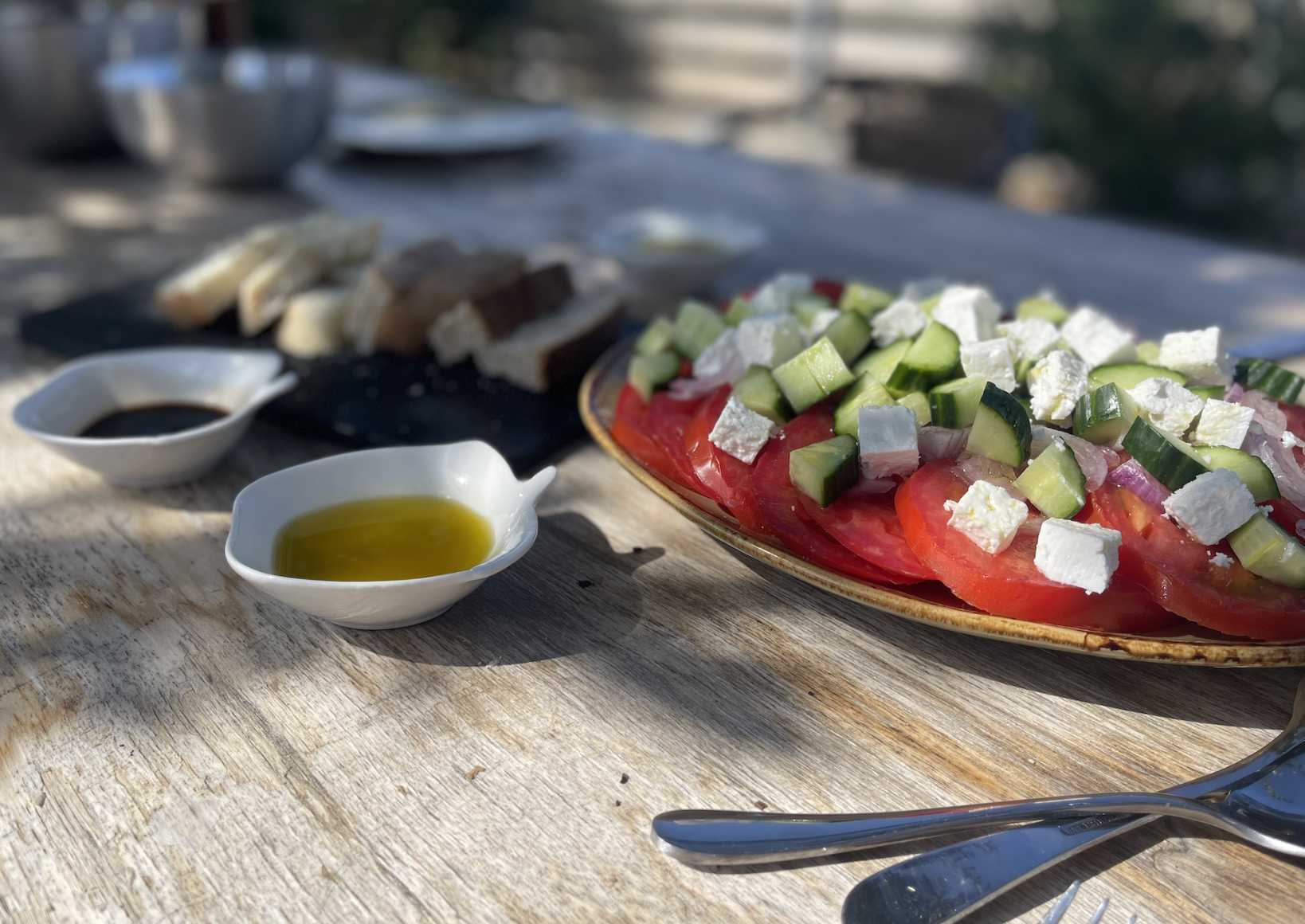
However, an “anti-wrinkle diet” is one that favours the consumption of foods rich in dietary antioxidants, essential fatty acids and whole carbohydrates. This mean fruits, vegetables, herbs and spices, probiotics and prebiotics and fermented foods.
[Katta T, Sanchez A, Tantry E. An Anti-Wrinkle Diet: Nutritional Strategies to Combat Oxidation, Inflammation and Glycation. Skin Therapy lett 2020;25(2):3-7]
Also, avoiding added sugars in the diet can also help reduce AGEs formation.
[Nguyen HP, Katta R. Sugar Sag: Glycation and the Role of Diet in Aging Skin. Skin Therapy Lett 2015;20(6):1-5.]
Also the use of acidic ingredients such as lemon juice or vinegar can also help reduce AGE formation.
[Uribarri J, Woodruff S, Goodman S et al. Advanced glycation end products in food and a practical guide to their reduction in the diet. J Am Diet Assoc 2010;110(6):911-16.]
So with everything in life, moderation is key…
Eating raw or lightly steamed fish and vegetables for the rest of your life might be right up your street but for some it could be a fate worse than death!
At the end of the day, the odd barbecue, roast lunch and take out is not going to harm you. And don’t forget, we’re all ageing, it’s about ageing well and being able to do the things we enjoy with those with whom we want to spend time, while we can.
Kind regards,
Sandy
Dr Sandy Flann, Consultant Dermatologist.