 It certainly feels like scary, worrying times with shootings of random civilians on streets and the subsequent manipulation of the truth, kidnapping of presidents, never-ending trade tariffs, Greenland, let alone the war in Ukraine and the situation in Gaza. It’s no wonder that the beauty industry is thriving more than ever. Why? It’s called the ‘lipstick effect’.
What’s the ‘lipstick effect’?
This was a term coined by Estée Lauder after 9/11 when consumers would reduce spending on large, luxury items but would increase spending on small, affordable luxuries such as lipstick. These small purchases would provide psychological pleasure and comfort at times of economic stress. The same phenomenon happened during the Great Depression, in the early 2000’s and the cost-of-living crisis in the early 2020’s.
Is it only lipstick?
No, it can be other small, affordable luxuries such as nail varnish, mascara, candles and sweets. The Economist comments in its 20th January 2026 edition, that it is beauty products in general, such as skin care, hair care, make up and fragrances.
[https://www.economist.com/business/2026/01/20/why-the-beauty-industry-is-booming]
According to this article, retail spending on beauty products has far outpaced spending on any other product, having grown by 7% every year from 2022 and reaching $440bn in 2024.
Why and how is this happening?
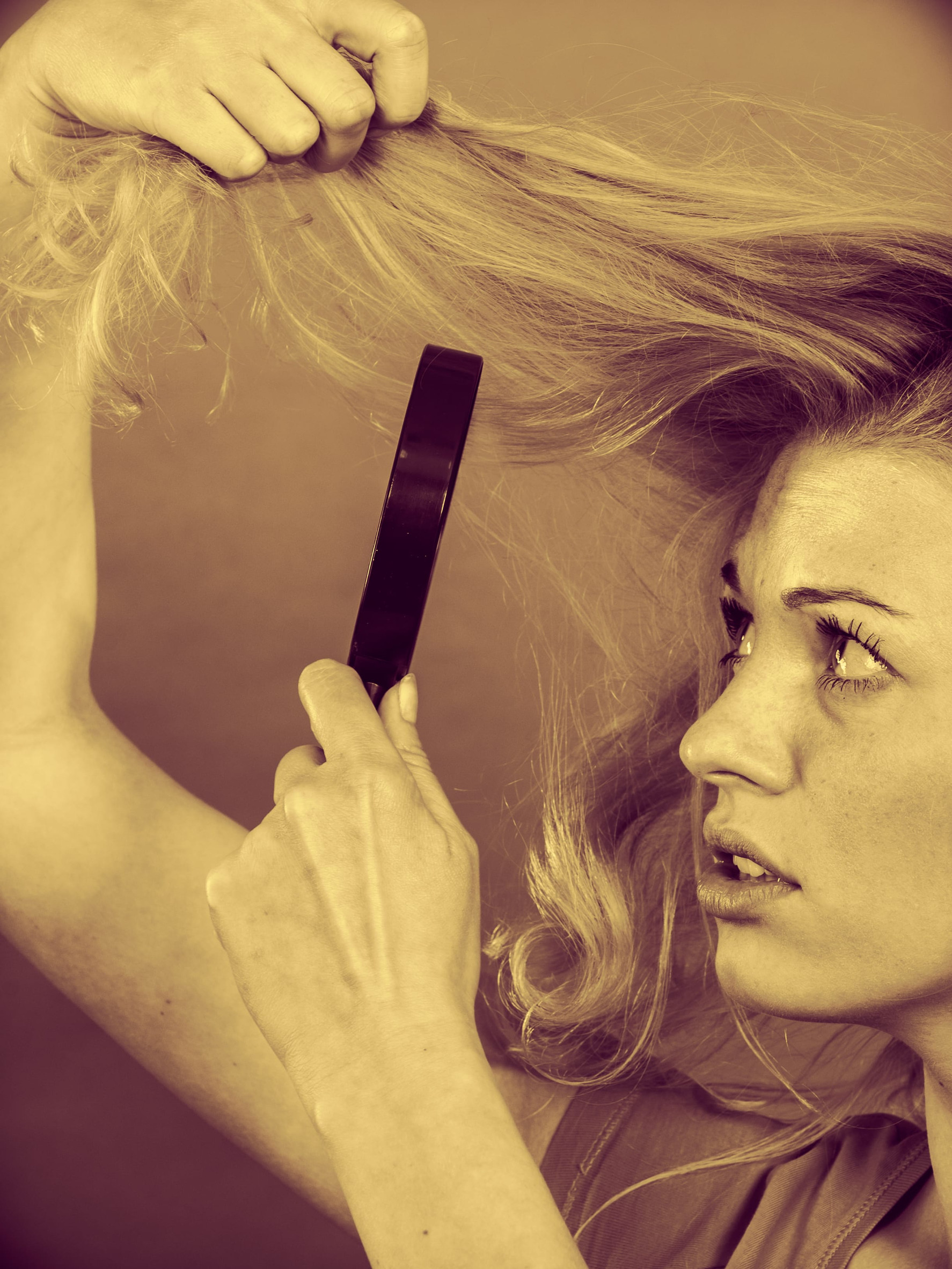
Social media is thought to be behind the huge rise in sales. I don’t know about you but I find social media to be like one endless stream of shop windows. The constant pressure to look good, the advice (correct or not, helpful or not helpful) that is available on social media as to what products to buy, the endorsements by celebrities, celebrities endorsing their own cosmetic ranges (which may be of dubious benefit) – all of this propels the surge in interest in the beauty industry.
We have noticed in my clinical practice (that for years has been resolutely non-cosmetic) that we are getting more and more enquiries looking for advice on anti-ageing products at the tail end of a consultation for something else.
There is a change in marketing too.
Yes, marketing is now no longer just aimed at women, there is plenty of marketing toward men for things like tinted moisturisers, concealers and make up.
More worrying from a paediatric dermatologist’s point of view is the marketing towards children. I have seen children as young as 10 years of age coming to clinic who have discovered the world of social media, have been looking at a whole range of skin products on-line from lip glosses to anti-ageing serums to eyebrow gels and fake lashes.
When I was a youngster, I might have started looking at make up around the age of 16y. Nowadays, a child born after 2010 might start looking at make up around the age of 8y. Almost all of the children who have come to see me in clinic with a facial dermatosis, and may have waited several months for the consultation, have come with a facial dermatosis caused by the products they and their parents have purchased and put on their skin.
Is it just beauty products?
No, it appears that the demand on beauty services has increased also with nearly $150bn spent in this sector of the industry in 2024 alone, an increase of almost 40% from 2020 according to The Economist and the International Society of Aesthetic Plastic Surgery. These are things like botox, fillers, peels and lasers.
When will it end?
I’m not sure. As with everything in life, something used in moderation is generally okay. There is no harm in purchasing a little something if it helps make you feel better and helps you cope with the stresses that are in the world today, as long as the spending stays within your control and your budget.
From a dermatological point of view, I personally think that the online targeting of beauty products at young children could worryingly lead to a whole host of psychological issues about face and body image later on, let alone the irritant and possibly allergic dermatitis that anti-ageing products can cause on young skin, all of which can be avoided.
As for what’s happening on the other side of the Atlantic, we have a further 3 years to go so heaven knows really!
Kind regards,
Sandy
Dr Sandy Flann, Consultant Dermatologist.