
Normal vs abnormal moles, what to look out for
Moles and Skin Cancer Checks
Why are mole and skin cancer checks important?
As a consultant dermatologist, Dr Flann is experienced in examining moles and detecting skin cancer at an early stage. Most skin cancers develop as new lesions rather than from existing moles, so it is important to be aware of any changes in your skin.
Regular skin checks are not necessary for everyone. However, they may be advised for people who:
Are taking immunosuppressive medication
Have had multiple skin cancers in the past
Have a strong family history of skin cancer
Have a genetic skin condition that increases skin cancer risk
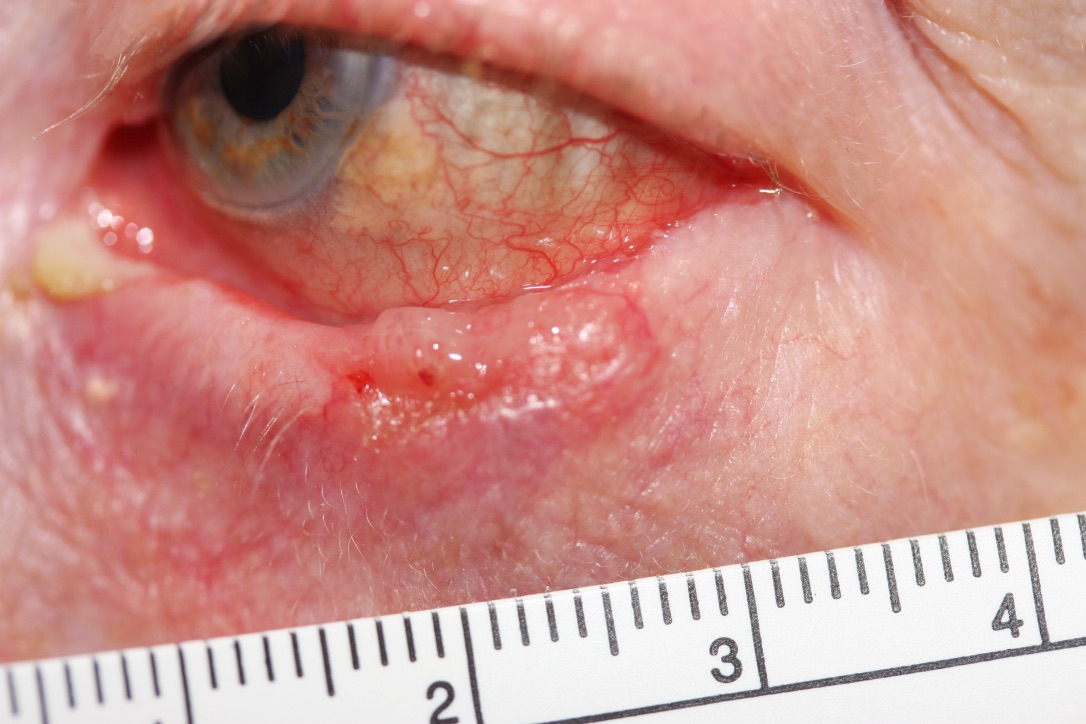
Dr Flann will advise whether you need regular skin checks and how often. Many patients also choose to have an annual skin check for reassurance, which is a service Dr Flann provides.
When should I seek medical advice?
Everyone should monitor their skin regularly and report any concerns promptly. You should arrange a medical review if you notice:
A new skin lesion
A changing lesion
A lesion that looks unusual or different from your other moles
If you spot any of these features, contact your GP or arrange a consultation with Dr Flann for a professional assessment.
The main types of skin cancer
The three most common types of skin cancer seen in dermatology are:
Basal cell carcinoma (BCC)
Often occurs in people with regular, long-term sun exposure, particularly from a young age.
Squamous cell carcinoma (SCC)
Develops after many years of sun exposure and is more common in those who work outdoors, such as farmers, builders or sailors.
Malignant melanoma
Can occur after excessive ultraviolet exposure, repeated sunburns or the use of sunbeds, and may also appear in people with fair skin or numerous moles.
Early detection of all three types is key to effective treatment and the best possible outcome.
What does a skin check involve?
A skin check with Dr Flann includes a consultation and full skin examination. You will have the opportunity to discuss any areas of concern, including:
How long a lesion has been present
Any changes in appearance, colour, or texture
Symptoms such as pain, bleeding or scabbing
Dr Flann will also review your medical history, including:
Any previous precancerous or cancerous skin lesions and how they were treated
Current medications, including blood thinners
Any medical implants, such as a pacemaker or defibrillator
The examination involves inspecting the skin across your body. You will be asked to undress in the examination area but can usually keep your underwear on. A chaperone can be provided if you would like one, or if you need assistance with changing.
What happens next?
Once your skin check is complete and you are dressed, Dr Flann will discuss her findings with you. If any lesions are of concern, she will explain the options for treatment and agree a management plan.
This may include:
Prescription medication for topical treatment
Treatment in clinic, where appropriate and in line with insurance or self-pay arrangements
Surgical treatment, which can be booked following discussion and consent
Dr Flann will ensure that you fully understand the diagnosis, treatment options and follow-up plan before any procedure or treatment begins.
Ongoing care and self-monitoring
After your appointment, it is important to continue monitoring your skin regularly. Most skin cancers can be treated successfully when caught early. Protecting your skin from UV exposure, using sunscreen (SPF 30 or higher), and avoiding sunbathing and sunbeds are all essential parts of prevention.